Call (865) 236-0833
Fall Commercial Discount: 10% Off Projects Over 1,000 Sq Ft — Claim Free Estimate Today!
Industrial polished concrete and epoxy floor installed in a Knoxville TN commercial facility

Commercial Polished Concrete in Knoxville, TN

Heavy-duty floor restoration, industrial epoxy, and high-traffic polish finishes engineered for warehouse managers, commercial architects, and retail property owners across the Knoxville metro.

Commercial floors live in a different world than residential ones. They carry forklifts, pallet jacks, and hard-wheeled equipment; they absorb dropped freight, oil mist, and constant scrubbing; and they have to do it for years without the strip-and-wax treadmill. Knoxville Concrete Floors specifies and installs commercial polished concrete, industrial epoxy systems, and heavy-duty floor restoration for warehouses, retail centers, light manufacturing, auto shops, and institutional facilities throughout the Knoxville metro.

If you are a warehouse manager trying to cut lighting and cleaning costs, a commercial architect specifying a finish for a new build, or a retail property owner upgrading a tired slab, this page lays out the systems we install, how we phase work around operations, and how polished concrete compares with epoxy in commercial environments — so you can specify with confidence.

We bring commercial planetary grinders, HEPA dust containment, and experienced technicians. Every estimate is a written per-square-foot price with prep, finish, and timeline itemized — no vague ranges and no subcontracted labor.

Project photos

Real floors. Real Knoxville-area work.

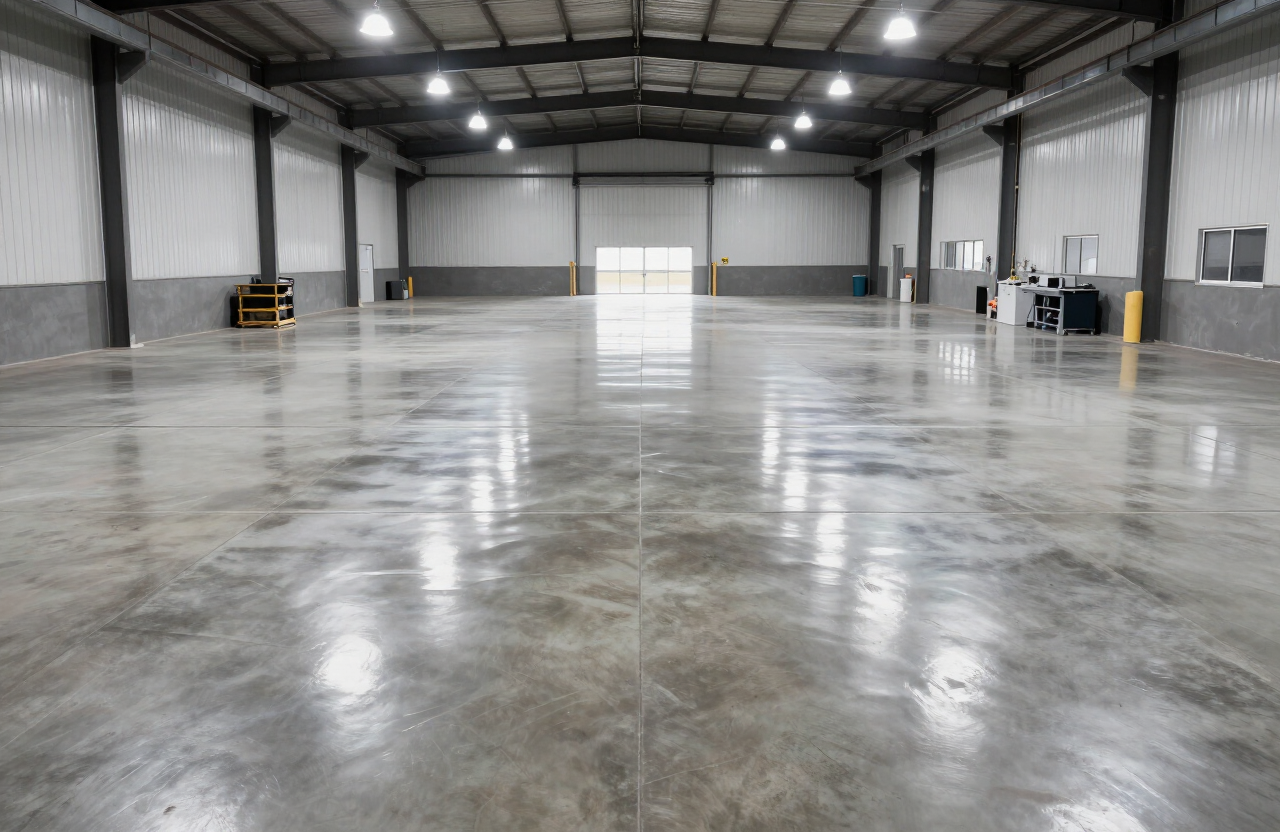
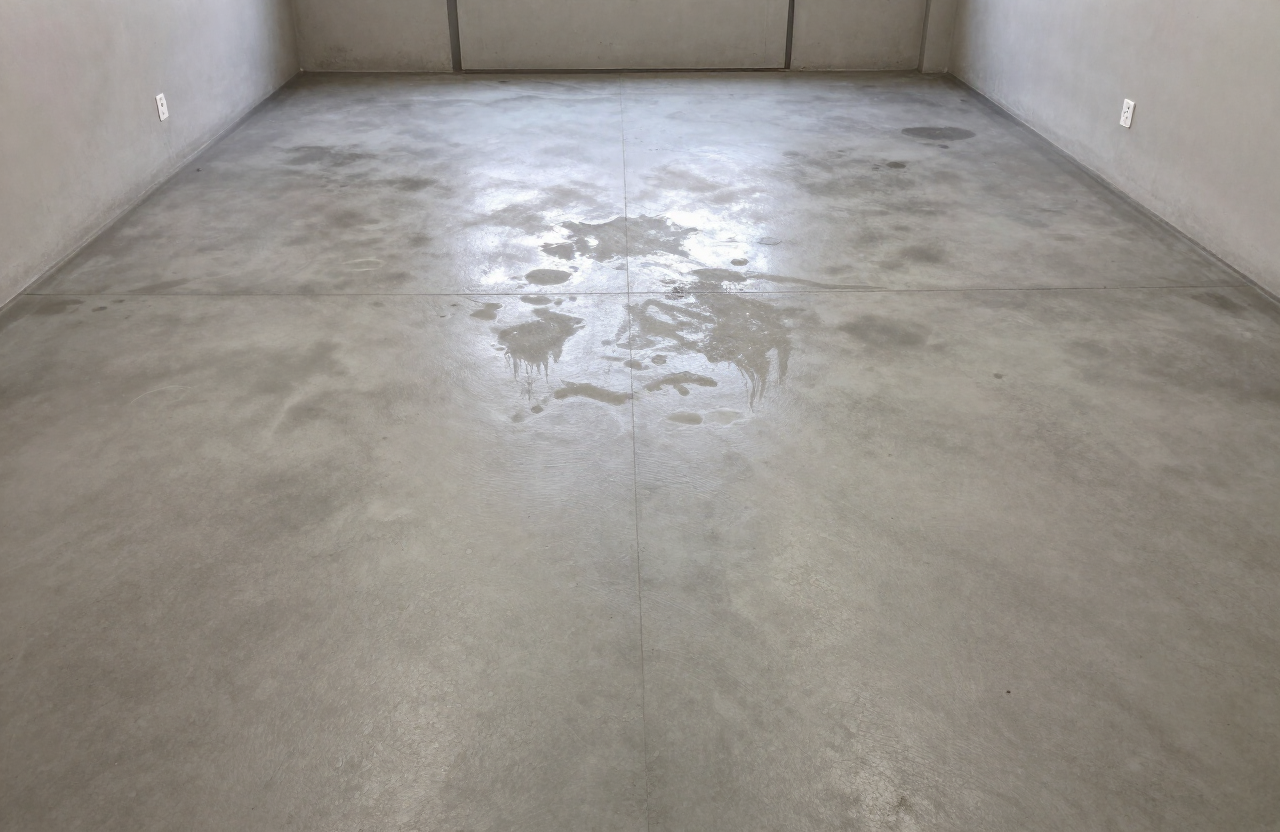
Large industrial polished concrete and epoxy floor in a Knoxville TN warehouse
Warehouse-grade industrial finish
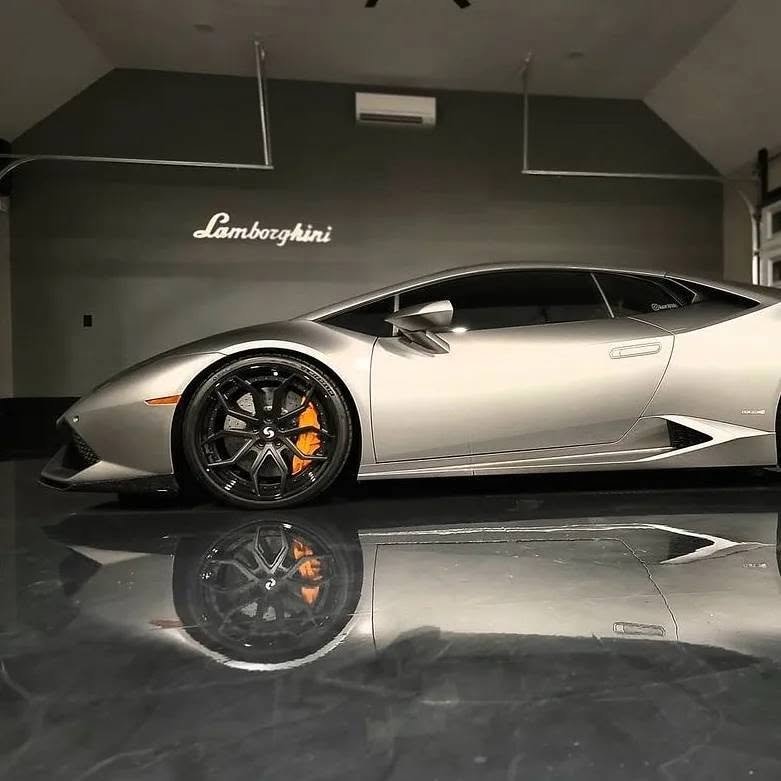
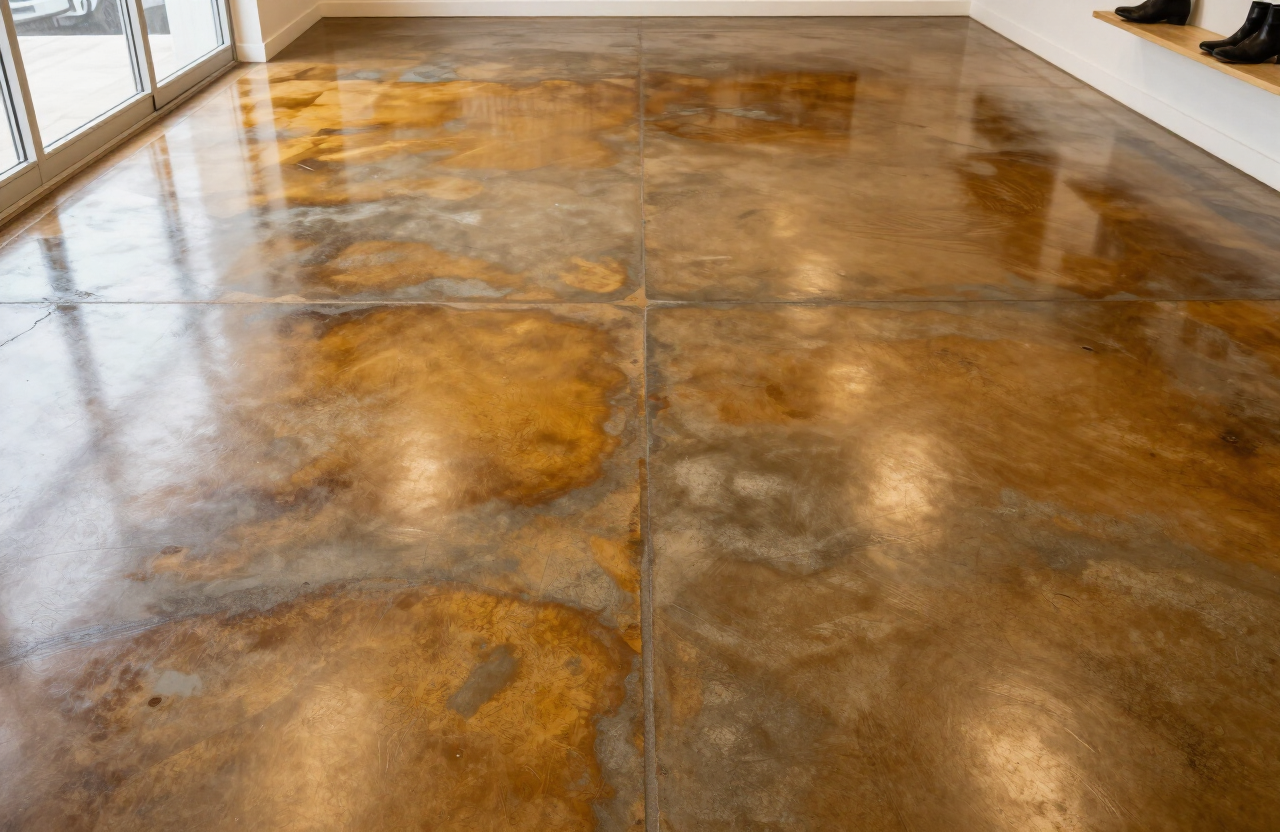
High-reflectivity polished concrete floor in a Knoxville commercial showroom
Showroom high-reflectivity polish
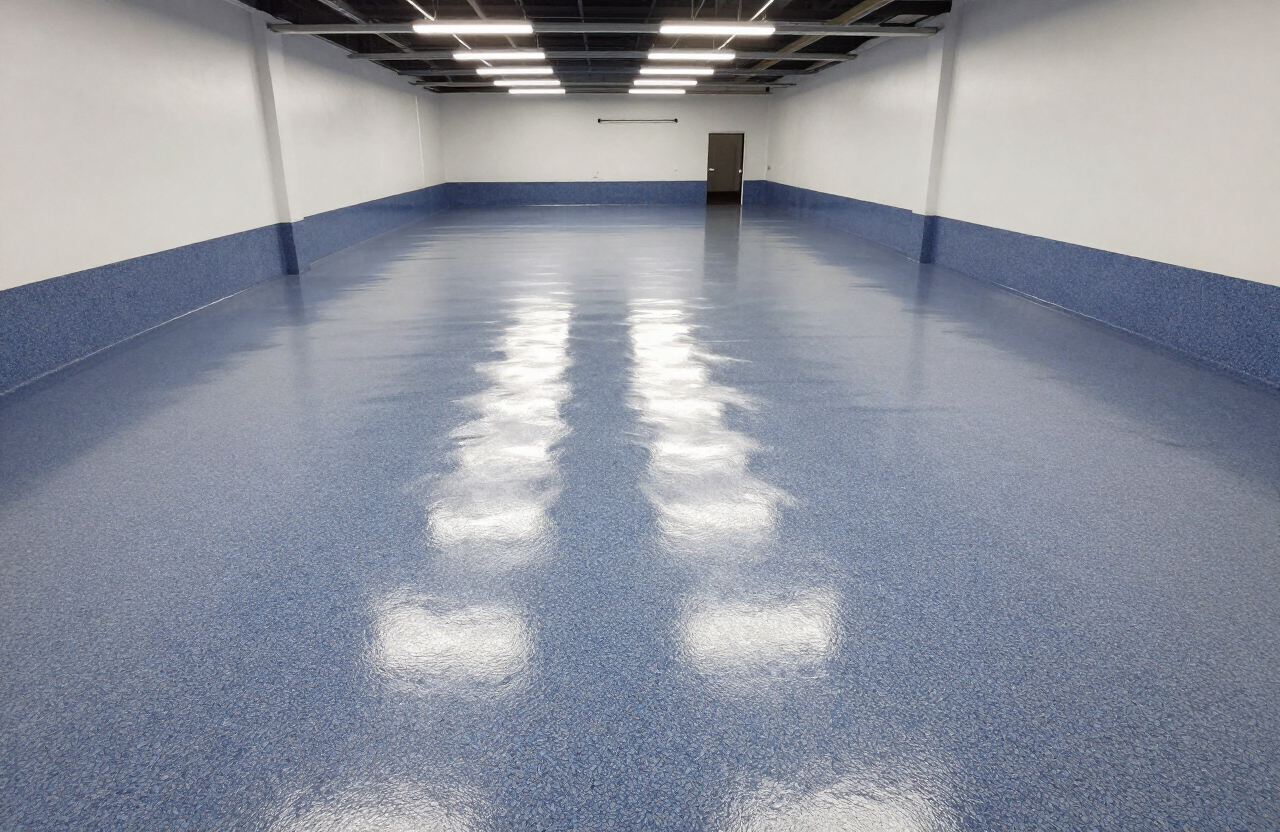
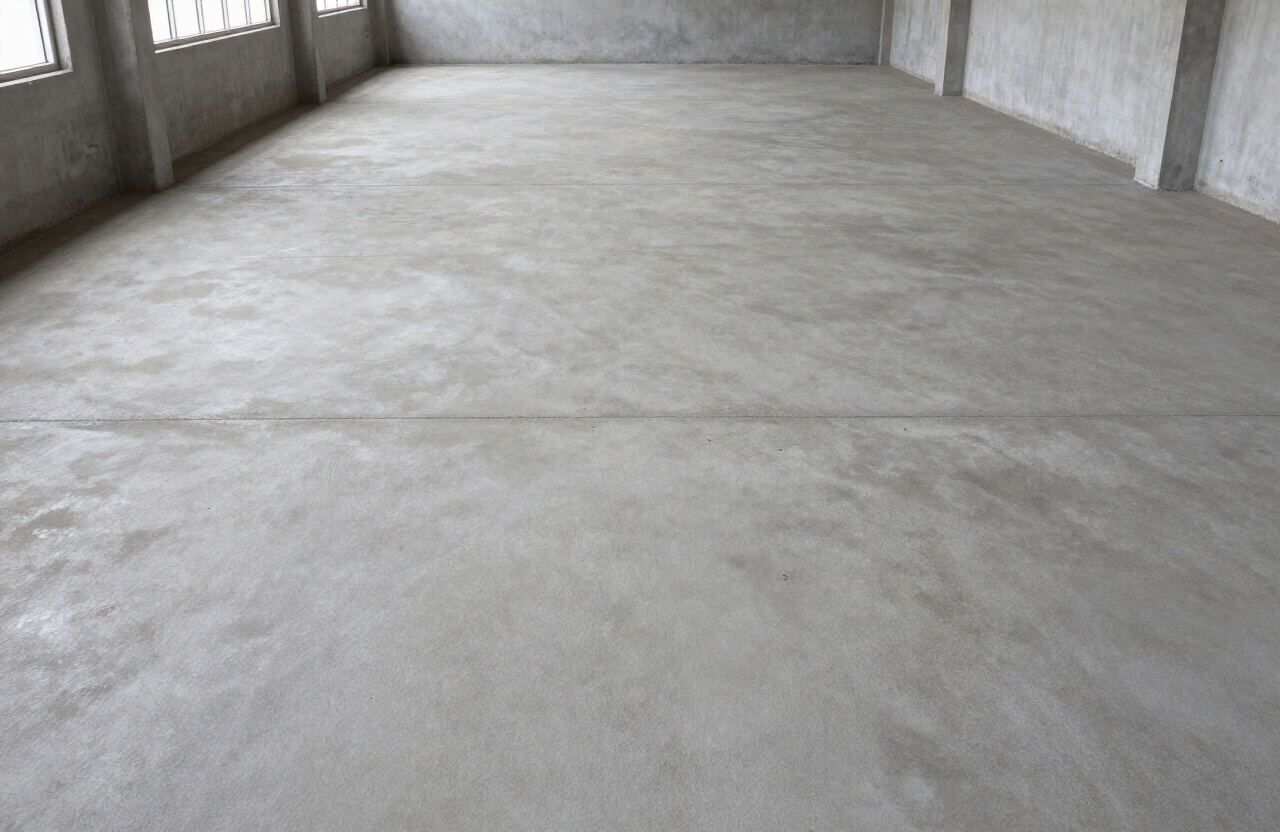
Mirror-finish polished concrete in a Knoxville retail or lobby space
Retail and lobby mirror polish

Polished concrete for warehouses and distribution

Built for forklifts and long shifts

Polished concrete is integral to the slab — there is no thick film to peel under spinning forklift tires. Densifiers react with free lime to harden the surface, and progressive diamond grits close the pore structure so the floor resists absorption and dusting. The result is a hard, low-dust, light-reflective floor that lowers lighting costs and eliminates VCT wax cycles.

Industrial floors often target a durable satin (roughly 400–800 grit) rather than a mirror polish, balancing sheen with operator safety and glare control. Concrete grinding Knoxville crews trust is controlled prep: removing old coatings, leveling high spots, and opening the surface for densification.

Life-cycle cost favors polish when you account for years without recoating. Many facilities hybrid-specify: polish in bulk storage, industrial epoxy in battery rooms, wash areas, and chemical zones.

  • Handles hard-wheel forklift traffic with proper joint filling
  • Low dusting after densification and refinement
  • No wax stripping cycles
  • Improved light reflectivity for safer aisles
  • Compatible with auto-scrubbers and ride-on sweepers
  • Phased installs to limit operational downtime

Industrial epoxy for chemical and high-abuse zones

Where polish alone is not enough

Industrial epoxy systems are the right call where chemical containment, thermal shock, or saturated cleaning dominate. High-solids commercial epoxy, novolac, and urethane topcoats resist oil, solvents, acids, and hot-water pressure washing — conditions that would stain or etch polished concrete.

We specify slip profiles for wet areas, cove-base transitions for washdown rooms, and conductive or anti-static systems where static control is required. Epoxy flooring cost per square foot in commercial settings varies with system chemistry and prep, and we itemize it in writing.

For retail and lobby spaces, decorative metallic and flake epoxy deliver a premium look while still performing under heavy foot traffic. The key is commercial-grade product and prep — not big-box DIY kits that peel within a year.

Heavy-duty floor restoration

When the slab is worn, peeling, or dusting

Existing commercial slabs often arrive in rough shape: failed coatings, oil-saturated concrete, spalled joints, and dusting surfaces. Restoration begins with concrete grinding to strip old coatings and contaminants, followed by crack and spall repair, joint filling, and refinishing to a polished or coated system.

Joint repair is where commercial floors fail first. Unfilled control joints spall under hard wheels; semi-rigid polyurea or epoxy fillers support joint edges and keep debris out. Expansion joints get flexible sealants that move with the building.

Restoration is often more cost-effective than replacement and gives facility managers a known, maintainable surface instead of a deteriorating one.

Specifying for architects and designers

Finish, exposure, and performance criteria

For commercial architects, we provide finish specifications: grit level, aggregate exposure (cream, salt-and-pepper, or medium), sheen target, joint treatment, and slip profile. We coordinate with GCs to schedule polish after damaging trades are mostly complete, with protection plans if work continues.

Stained concrete and integral dyes expand the palette for retail and lobby environments, and we can sample finishes on a mock-up area so design intent is confirmed before full-building execution.

Documentation supports submittals: product data, maintenance guidelines, and written square-foot pricing that holds through the project.

Project phasing for operating facilities

Stay open while we work

Few commercial operations can shut down entirely. We plan work zones with your operations manager: empty aisles, temporary racking moves, after-hours grinding, and dust containment that keeps inventory and fixtures clean. Daily communication keeps surprises off the floor.

Square footage from a few thousand to tens of thousands can be sequenced. Larger campuses run multi-week programs with clear milestones and punch lists.

New construction polish is scheduled after other trades that damage floors are mostly complete, with protection plans if work continues — preventing the classic “polish then scratch” problem.

Maintenance that protects the investment

Simple, documented care

Daily dust mopping or auto-scrubbing with neutral cleaner keeps grit from acting like sandpaper. Avoid acidic cleaners that etch the surface. Spot oil cleanup prevents tracking.

Annual or semi-annual burnishing with appropriate pads and guards restores sheen in traffic lanes. High-abuse facilities may schedule localized re-honing instead of full-building rework.

We provide a simple care sheet after every commercial project. Facility teams that follow it see the best long-term appearance and slip performance.

Serving the Knoxville commercial market

Local crews, accountable follow-up

Our crews work commercial facilities throughout Knox, Anderson, and Blount counties and nearby East Tennessee markets. Local presence means faster punch visits and accountability you will not get from out-of-state coating brokers.

Request a walkthrough. Bring traffic patterns, chemical lists, and any previous coating history. We will recommend polished concrete, industrial epoxy, joint repair, or a combination — specified in writing with square-foot pricing.

Instant Cost & Quote Calculator

Get an instant price range in 10 seconds

Pick your project type, square footage, and finish level for a real-time estimated range. Then lock in a free on-site inspection and we hand you the official written quote — no obligation, no subcontracted crews.

Estimated Price Range

$6000 – $9000

Based on typical Knoxville-area per-square-foot pricing for high-gloss polish on a 500 – 1,500 sq ft residential garage slab. Final price is confirmed on-site after we assess prep, cracks, and slab condition.

Serves all Knoxville metro Free on-site inspection

Lock in your free on-site inspection & official quote

7 + 6 =

No obligation. Official quote delivered on-site.

Frequently asked questions

Can you polish over old epoxy in a commercial building?+

Usually epoxy must be removed first. We evaluate adhesion and thickness on site and price removal as its own line when needed, so the estimate is honest from the start.

How dusty is commercial grinding?+

We use HEPA-connected grinders and containment practices. Some fine dust is inevitable; we clean work zones before handoff and phase around inventory.

Epoxy or polish for a warehouse?+

Polish excels for general forklift traffic and light reflectivity; epoxy wins in chemical containment and washdown zones. Many facilities use both — we hybrid-specify based on your traffic and chemical exposure.

How much does commercial epoxy flooring cost per square foot?+

Commercial epoxy cost per square foot varies with system chemistry, prep, and slip profile. You receive a written itemized per-square-foot price after the on-site walkthrough.

Can you work around our operating hours?+

Yes. We phase work in aisles and schedule after-hours grinding when needed so your Knoxville facility can stay open.

People Also Ask

People also ask

How much does polished concrete cost per square foot in Knoxville, TN?+

Polished concrete in the Knoxville metro typically runs $3–$12 per square foot installed. Residential floors usually land between $4–$8 per square foot, while commercial projects can dip to $3–$5 per square foot on large, clean slabs. The grind level drives most of the price difference: a matte or satin finish (200–400 grit) sits at the low end, a satin-to-semi-gloss (800 grit) sits mid-range, and a high-gloss mirror finish (1500–3000 grit with aggregate exposure) reaches $8–$12 per square foot. We deliver a written per-square-foot price after an on-site estimate.

Is polished concrete cheaper than epoxy flooring or hardwood?+

In most Knoxville homes and businesses, polished concrete is cheaper than hardwood and comparable to or slightly less than a premium epoxy system. Polished concrete runs about $3–$12 per square foot installed, epoxy coatings $4–$12 per square foot, and installed hardwood $8–$20+ per square foot. Polished concrete also avoids the ongoing refinishing and recoating costs that hardwood and epoxy carry, so the lifetime cost is usually the lowest of the three.

What factors increase the cost of concrete polishing or epoxy application?+

The biggest cost adders are slab repair, moisture mitigation, and diamond grinding prep. Cracks, spalls, and uneven slabs must be patched or leveled before finishing; oil-stained or contaminated concrete requires deeper grinding; and slabs with high moisture vapor pressure may need a moisture-mitigation system before epoxy will bond. Other adders include small square footage (minimum charges), heavy aggregate exposure, decorative dyes and stains, cove base installation, and after-hours or phased commercial scheduling. We itemize every one of these on your written estimate.

Is polished concrete slippery when wet?+

A high-gloss polished floor can be slick when wet, but slip resistance is controllable. We can stop at a lower grit (400–800) for more traction, apply an anti-slip densifier guard, or add grit additive to the topcoat on epoxy systems. For commercial kitchens, entries, restrooms, and other wet zones we specify finishes that meet OSHA-compliant traction standards. Outdoors or in wet areas, a satin finish with anti-slip treatment is the safer choice over a full mirror polish.

How long do polished concrete floors and garage epoxy coatings last?+

With minimal maintenance, polished concrete floors commonly deliver 20+ years of service in residential settings and 10–20 years in heavy-traffic commercial environments before a refresh burnish is needed — there is no coating to peel or wear off. A properly installed garage epoxy system with the right prep and polyaspartic or urethane topcoat typically lasts 10–20+ years under normal use. Both systems far outlast DIY epoxy kits, which often fail within 1–3 years.

Can you polish old, cracked, or uneven concrete slabs?+

Yes. Older, cracked, or uneven slabs are common candidates, but they require prep before grinding. We fill cracks and control joints with polyurea or semi-rigid joint filler, patch spalls and popouts with a concrete repair mortar, and address birdbaths or high spots with targeted grinding or leveling. Once the slab is sound and flat, we diamond-polish through the grit sequence as normal. Some hairline cracks remain visible as character; larger structural issues are flagged before we start so you know what to expect.

How long does the polishing or epoxy coating process take?+

A typical residential project (400–600 sq ft garage or basement) takes 1–2 days for polished concrete and 1–3 days for epoxy, including prep, coating, and cure. Commercial spaces of 2,000+ sq ft usually take 3–5 days depending on slab condition, finish level, and whether the work is phased around your operating hours. Polished concrete has no long cure time; epoxy needs 12–24 hours before light foot traffic and up to 48 hours before vehicle traffic.

How soon can I walk or park my car on newly finished floors?+

For polished concrete, light foot traffic is usually possible the same day the final grit is complete — full furniture and rugs can go back within 24 hours. For epoxy and polyaspartic garage coatings, light foot traffic is typically safe within 12 hours and vehicle traffic within 48 hours, depending on product, temperature, and humidity. We give you exact walk-on and drive-on times for your specific system before we leave the job.

How do I properly clean and maintain polished concrete or garage epoxy?+

Dust mop or auto-scrub regularly and clean with a neutral pH cleaner — never acidic, citrus, or solvent degreasers, which etch polished concrete and dull epoxy topcoats. Blot spills promptly, avoid abrasive pads and power scrubbers, and place walk-off mats at entries to trap grit. For high-gloss polished floors, reapply a burnishing guard once a year; for epoxy, a clear re-topcoat every several years keeps it fresh. No waxing, stripping, or recoating is required for polished concrete.

Do you offer commercial, industrial, and residential concrete polishing in Knox County?+

Yes. We install commercial, industrial, and residential polished concrete and epoxy coatings throughout Knox County and the greater Knoxville metro — including Knoxville, Farragut, Powell, Maryville, Oak Ridge, Clinton, Alcoa, and surrounding areas in Anderson and Blount counties. Our in-house crews handle everything from single-car residential garages to 8,000+ sq ft warehouses, retail stores, restaurants, and manufacturing facilities. Every estimate is free and on-site.

Are your coatings resistant to garage oil spills, chemicals, and East Tennessee freeze-thaw cycles?+

Yes. Our high-solids epoxy and polyaspartic systems are engineered to resist motor oil, hydraulic fluid, road salt, solvents, and common shop chemicals — blot spills promptly and they will not stain or lift the coating. The seamless, non-porous surface also stands up to East Tennessee freeze-thaw cycling because there is no porous surface for moisture to enter and expand. For heavier chemical exposure we specify novolac or vinyl ester systems. Proper mechanical prep is what keeps the coating bonded through seasonal temperature swings.
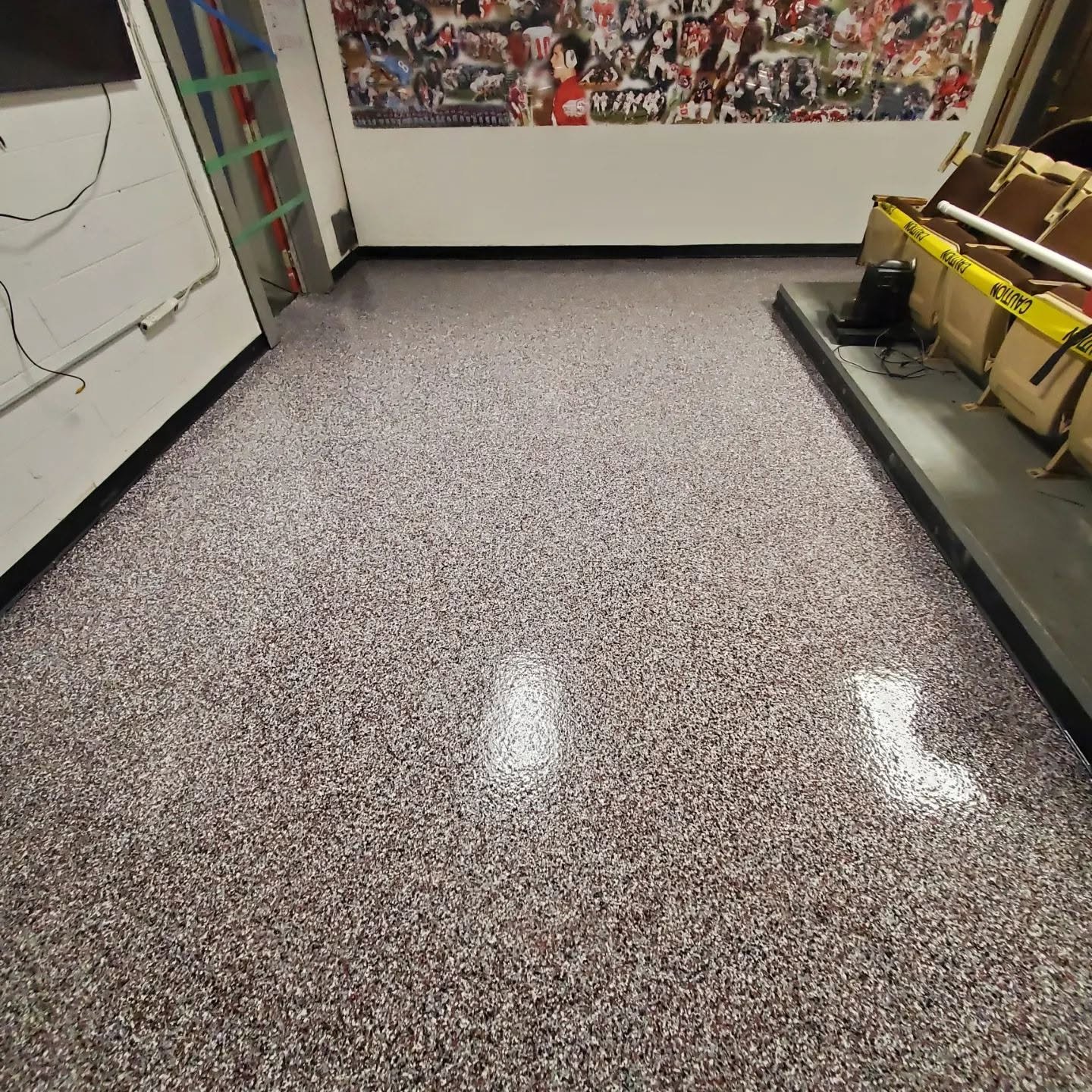

Service areas near Knoxville

We install this system for homes and businesses across the greater Knoxville metro. Choose your community for localized information and a free on-site estimate.

Free estimate

Get a written square-foot price

Tell us about your slab, square footage, and timeline. We schedule an on-site walkthrough across Knoxville, Clinton, Oak Ridge, and the greater East Tennessee metro.

Call (865) 236-0833

Free on-site estimate

Get a free quote

8 + 2 =

We answer every request personally. Your details are never sold or shared.

Specify your commercial floor correctly

On-site commercial estimates across Knoxville, Clinton, Oak Ridge, and East Tennessee. Call (865) 236-0833.